The House
Three centuries on Mare Street
195 Arts occupies the lower ground floor of one of Hackney’s oldest houses. The building has a rich and varied history.
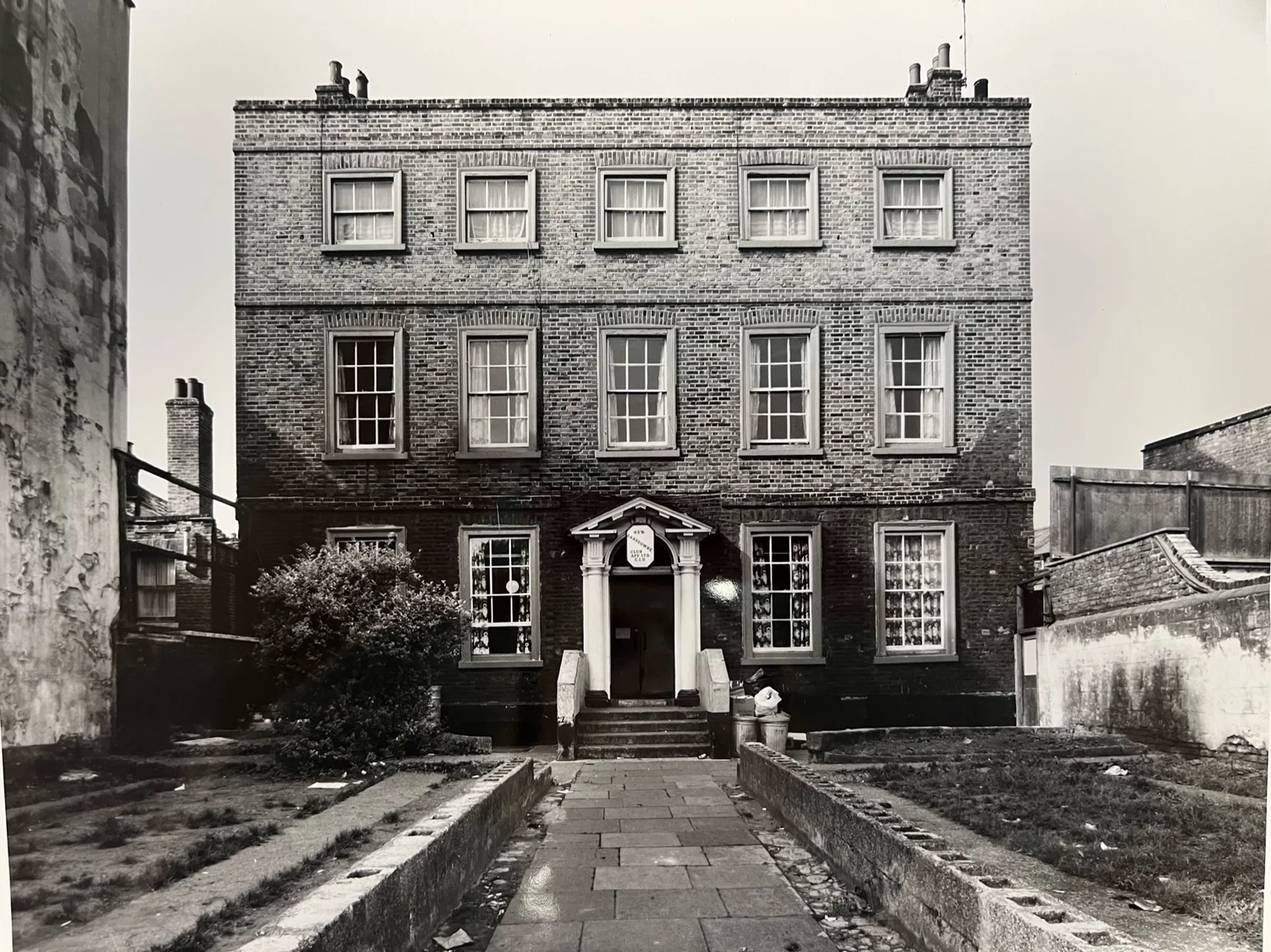
1697
A country house
Built for Dutch merchant Abraham Dolins and his family, when Hackney was a village of market gardens, 195 Mare Street is one of the oldest surviving buildings in the borough.
1801
A Tory MP
In 1801, the house was renovated by John Blacke, a wine merchant. After his death, it was inherited by Thomas Wilson, a Tory MP and his seven children. Wilson was an administrator of slave owners' estates and parliamentary supporter of the slave trade.
1860–1913
The Elizabeth Fry Refuge
For over fifty years, the house served as a refuge for thousands of young women recently released from prison. Established in honour of the Quaker prison reformer Elizabeth Fry, the Refuge offered destitute women a new chance at life.
1913–2023
New Lansdowne Club and after
The house became a social club serving the local community for decades. After the Club closed in 2004, the house became derelict and was occupied for some years by squatters who held many community events.
Today
Restoration
The house has been restored by a team of Hackney-based architects and builders as a family home and venue for 195 Arts, continuing its tradition of refuge and welcome.
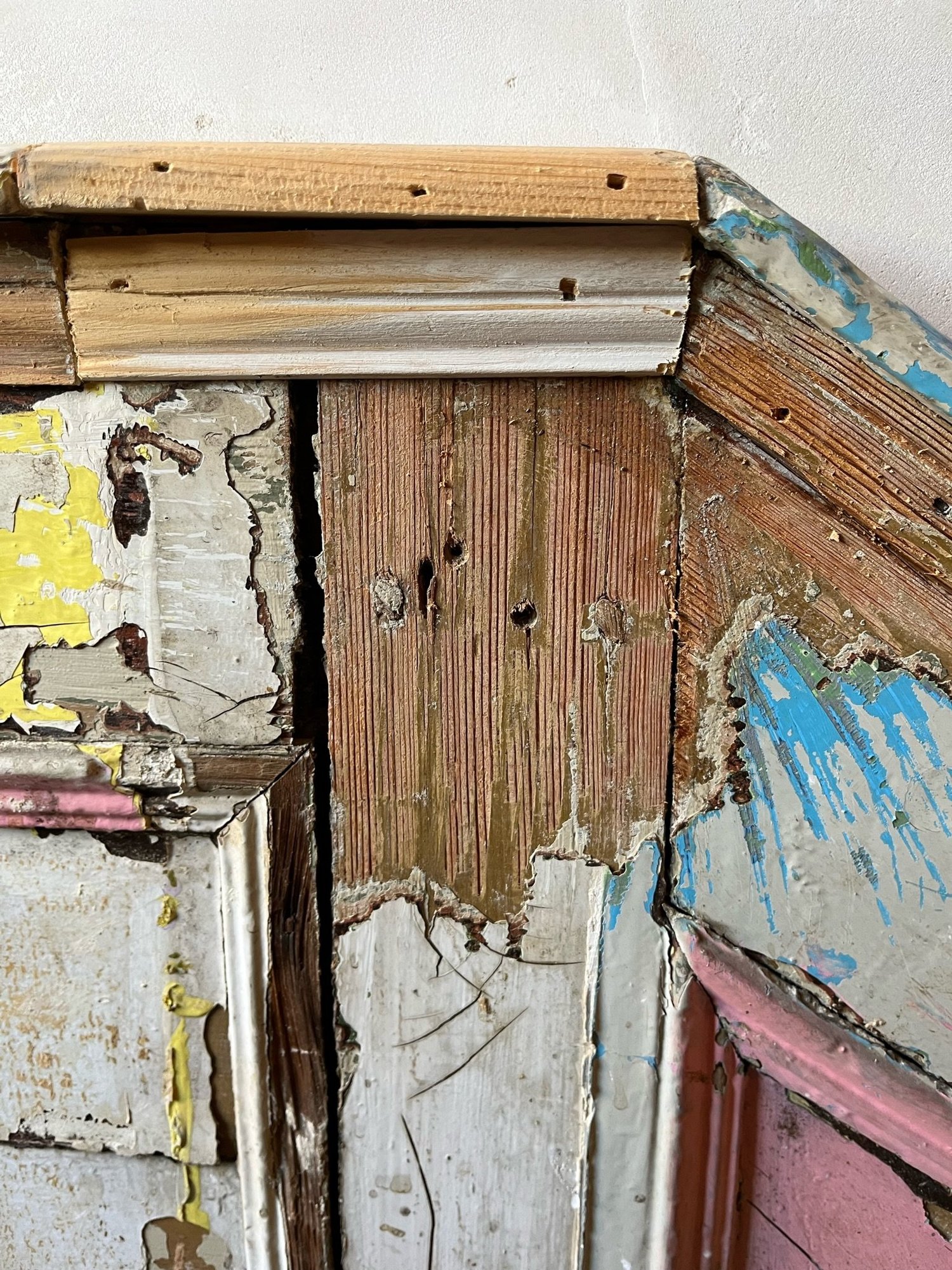
Restoration finds
Found in the house
Restoration revealed fragments of the lives lived here, objects found under boards and hidden in walls, even buried in the foundations.
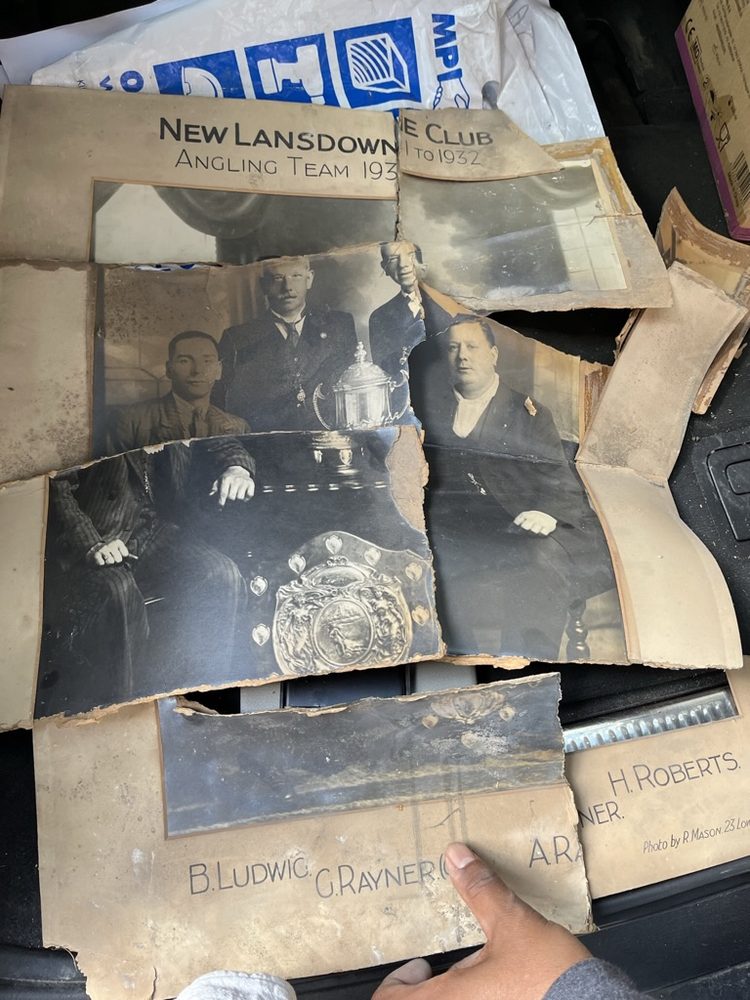
New Lansdowne Club, Angling Team 1931–32
A damaged photographic print found behind cornicing, naming members B. Ludwig, G. Rayner and H. Roberts — members of the Club's angling team.
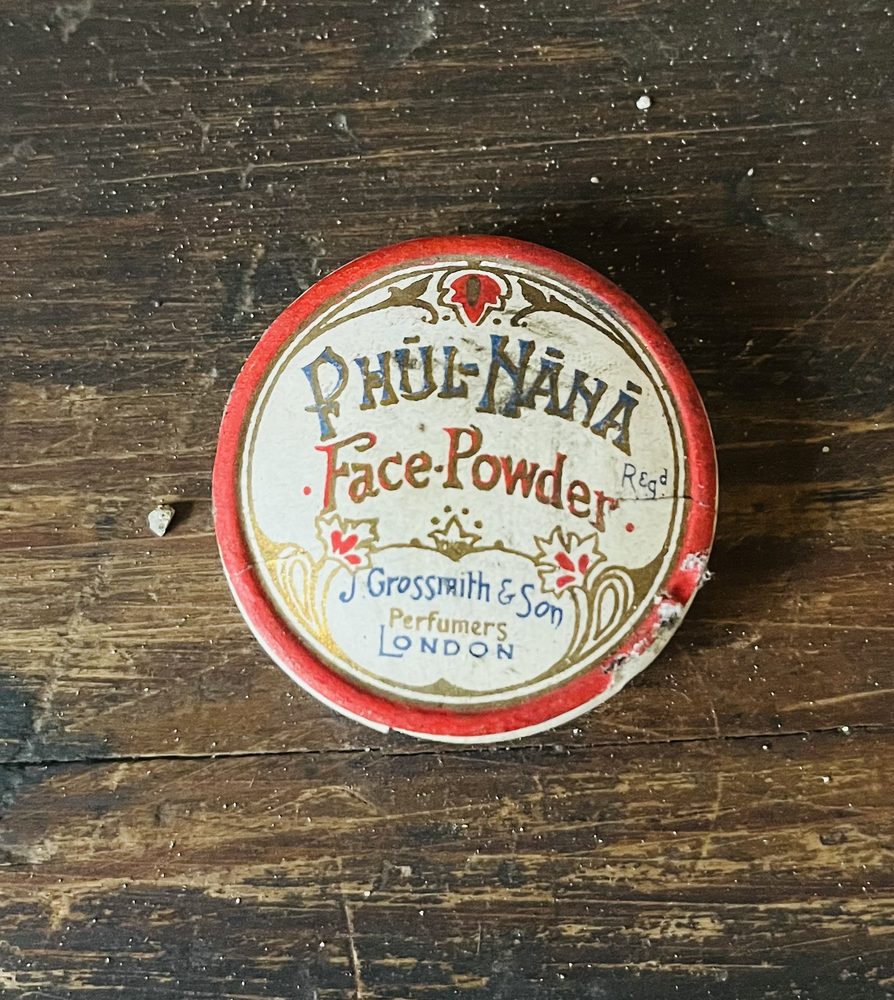
Phul-Nana face powder
Popular brand of face powder at the turn of the twentieth century. Presumably left behind by one of the women of the Refuge.
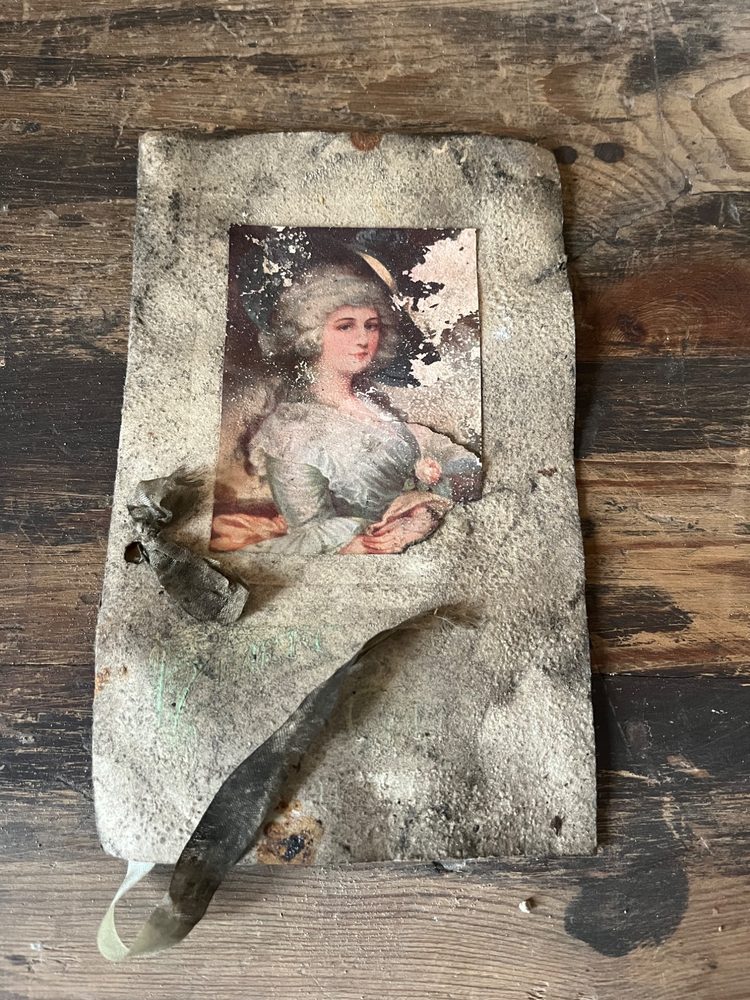
Portrait card
A small Victorian chromolithograph of a Georgian-era woman, found under the boards on the 2nd floor, where the Refuge women slept.
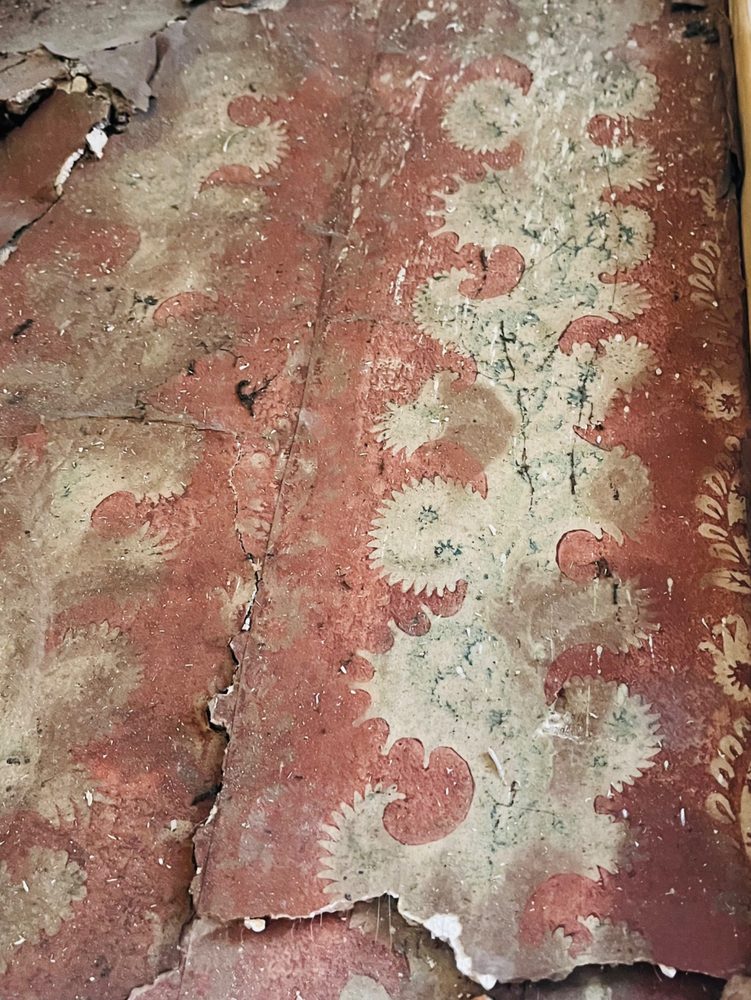
Original wallpaper
Rare eighteenth-century wallpaper uncovered in a cupboard beneath wooden panelling — traces of the flower-filled interiors that once matched the gardens from Loddiges nursery opposite.
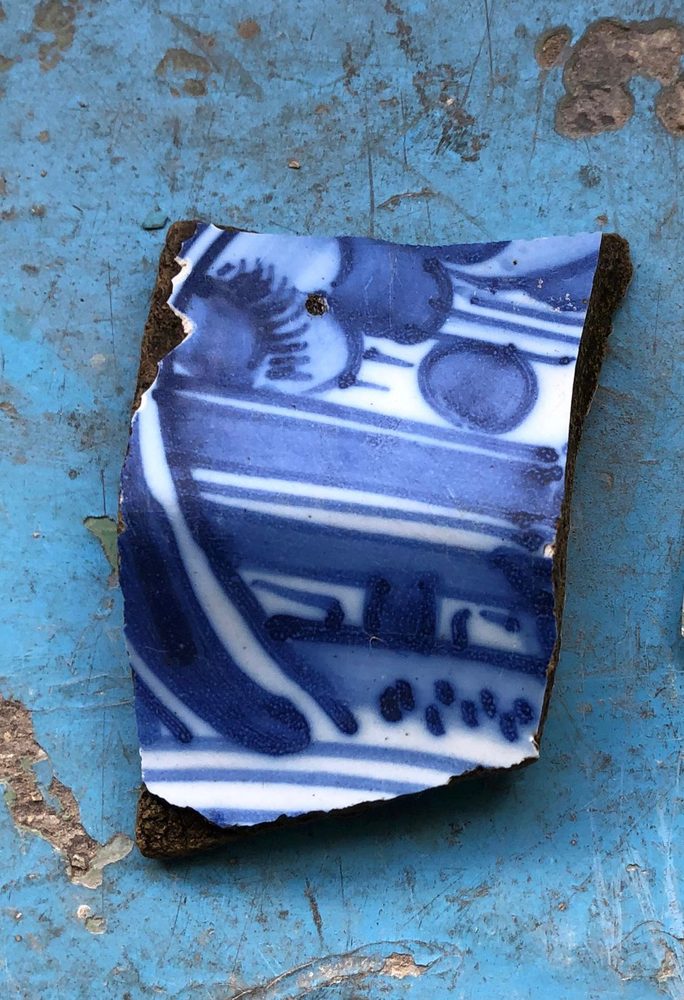
Delftware shard
Blue and white tin-glazed pottery, likely 17th or 18th century.
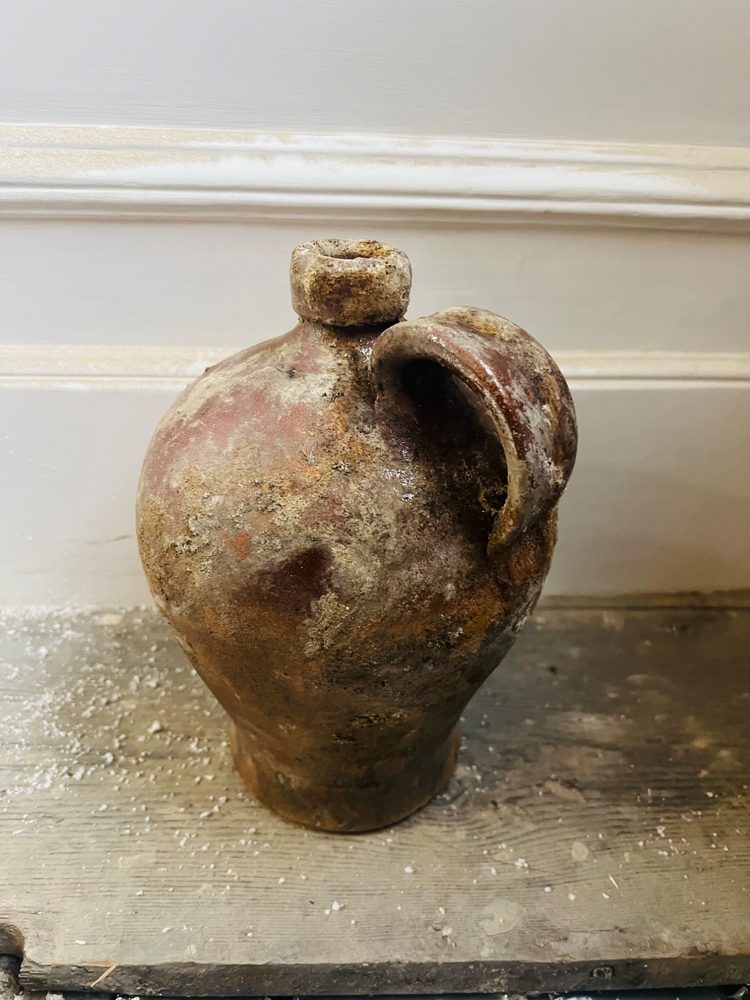
Earthenware jug
Found buried near the foundations — possibly 18th century.